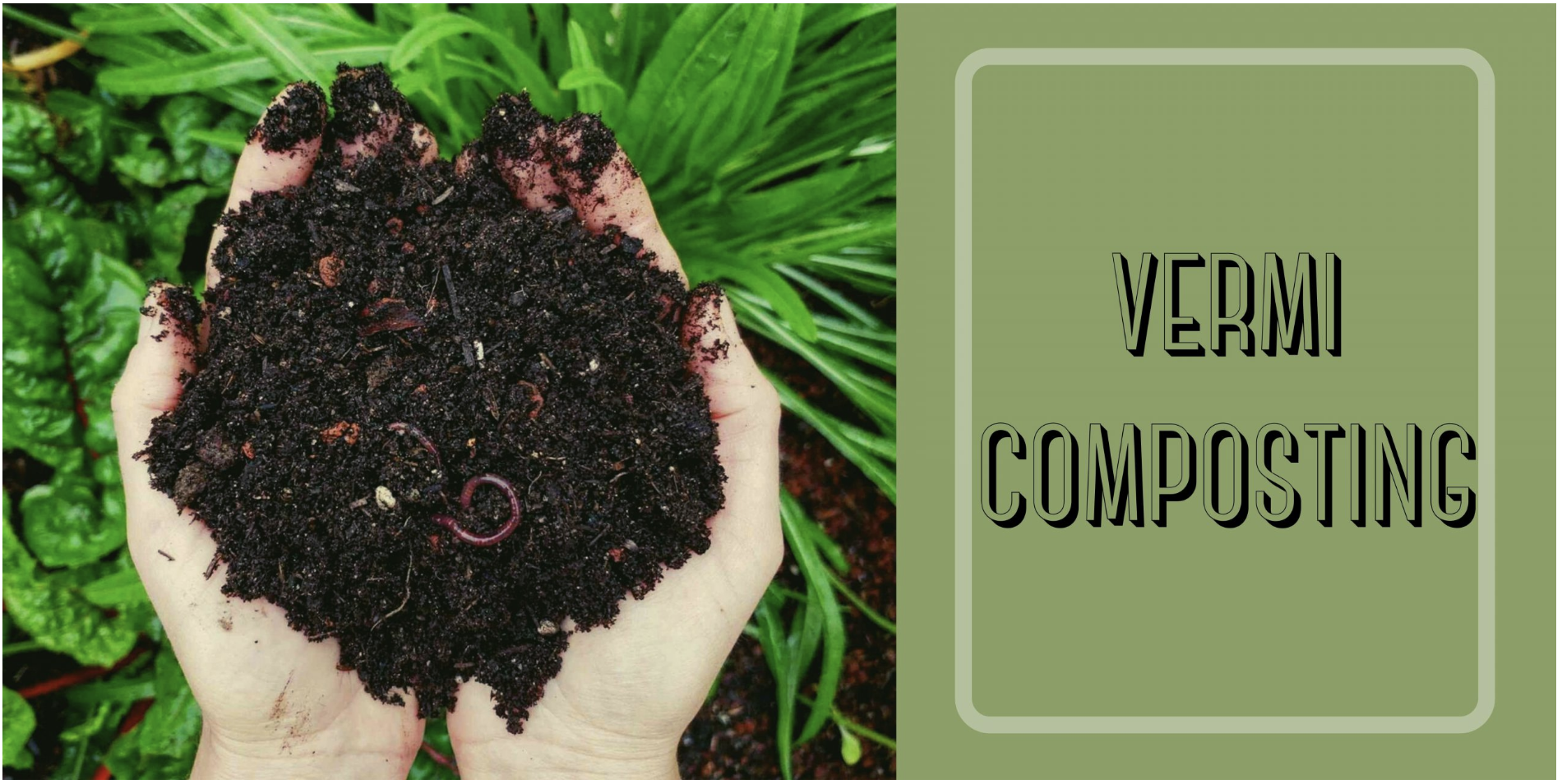
Vermicompost, produced through the decomposition of organic waste by earthworms, is a nutrient-rich, organic fertilizer that has numerous applications in agriculture, gardening, and environmental management. Here are some key use cases for vermicompost:
1. Soil Enrichment
- Agriculture: Farmers use vermicompost to enhance soil fertility. It improves soil structure, increases water retention, and provides essential nutrients, promoting healthier crop growth and higher yields.
- Gardening: Home gardeners incorporate vermicompost into their soil mix to boost plant growth, enrich potting soil, and improve the overall health of their plants. It’s particularly beneficial for growing vegetables, herbs, and flowers.
2. Seed Starting and Plant Propagation
- Vermicompost is an excellent medium for starting seeds and propagating plants. Its fine texture and nutrient content support strong root development and enhance seed germination rates.
3. Organic Farming
- Sustainable Practices: Vermicompost is a key component in organic farming. It provides a natural alternative to chemical fertilizers, helping farmers meet organic certification standards while maintaining high soil fertility and crop quality.
- Pest and Disease Resistance: The use of vermicompost can help plants develop natural resistance to pests and diseases, reducing the need for chemical pesticides.
4. Compost Tea Production
- Vermicompost can be used to make compost tea, a liquid fertilizer that provides a quick nutrient boost to plants. Compost tea is often used as a foliar spray or soil drench to enhance plant health and vigor.

5. Landscaping and Lawn Care
- Landscapers and homeowners use vermicompost to improve soil quality in lawns, gardens, and landscapes. It helps grass grow thicker and greener, reduces the need for chemical fertilizers, and supports the overall health of trees, shrubs, and ornamental plants.
6. Environmental Remediation
- Soil Restoration: Vermicompost is used in soil remediation projects to restore degraded soils. It helps rebuild soil structure, increases microbial activity, and promotes the re-establishment of healthy vegetation.
- Erosion Control: In areas prone to erosion, vermicompost is applied to stabilize the soil, enhance vegetation growth, and reduce soil loss.
7. Waste Management
- Organic Waste Recycling: Vermicomposting is an effective way to recycle organic waste, such as kitchen scraps, garden clippings, and agricultural residues. It converts waste into valuable compost, reducing landfill use and greenhouse gas emissions.
- Community Composting Programs: Vermicomposting is often used in community composting initiatives, where local residents can contribute organic waste and receive nutrient-rich compost in return.
8. Horticulture
- Greenhouse Production: In greenhouse settings, vermicompost is used to enhance the growth of vegetables, flowers, and ornamental plants. Its nutrient-rich profile supports high-density planting and intensive cultivation practices.
- Container Gardening: Vermicompost is ideal for container gardening, providing potted plants with the nutrients they need to thrive in limited soil volumes.
Vermicompost is a versatile and sustainable resource that benefits a wide range of agricultural, horticultural, and environmental applications, promoting healthy plant growth and sustainable land management.
No responses yet