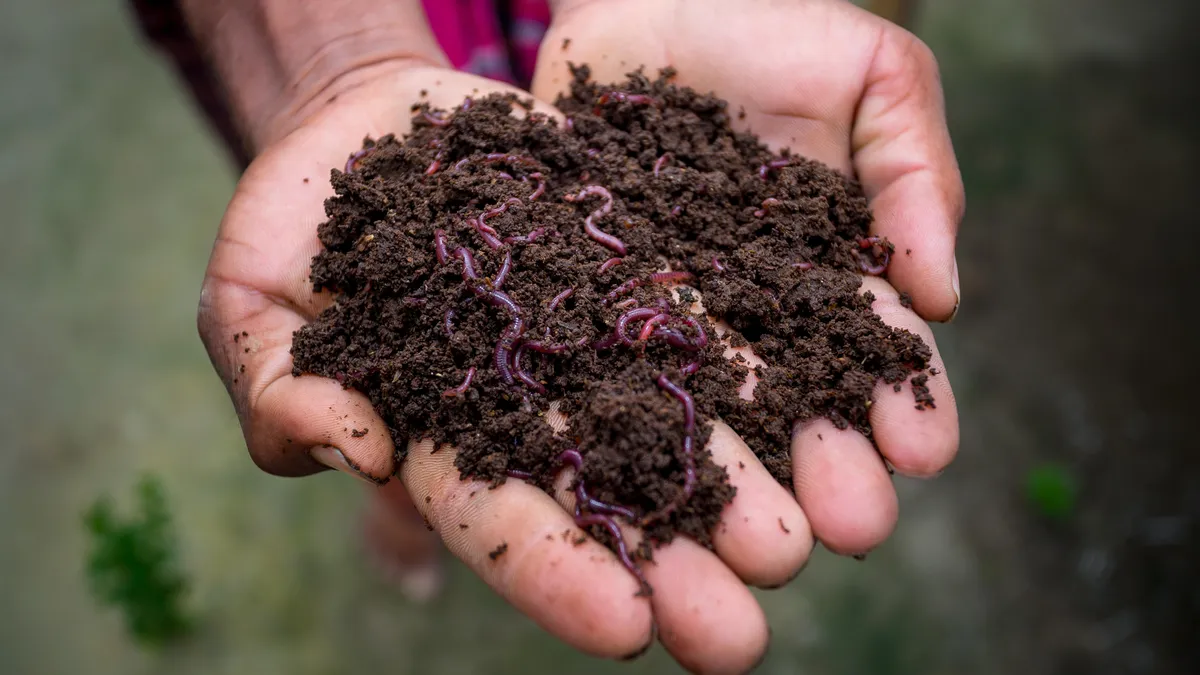
Vermicomposting offers several business opportunities in Pakistan, a country with a growing focus on sustainable agriculture and waste management. Here are some key opportunities and considerations for starting a vermicompost business in Pakistan:
1. Agricultural Supply
- Organic Fertilizer Production: With the increasing demand for organic farming practices, there is a significant opportunity to produce and supply vermicompost as a high-quality, natural fertilizer for crops.
- Soil Enrichment Products: Vermicompost can be marketed as a soil amendment that improves soil health, structure, and fertility, appealing to both smallholder farmers and large-scale agricultural operations.
2. Urban Gardening and Landscaping
- Home Garden Products: As urban gardening gains popularity, there is a growing market for vermicompost among city dwellers who are looking to grow their own vegetables, herbs, and flowers.
- Landscaping Services: Offer vermicompost to landscaping businesses for use in green spaces, parks, and residential gardens, promoting eco-friendly landscaping practices.
3. Waste Management Solutions
- Organic Waste Recycling: Provide vermicomposting services to municipalities, hotels, and restaurants to help them manage organic waste. This not only reduces landfill use but also produces valuable compost.
- Community Composting Programs: Develop community-based composting initiatives that allow residents to participate in waste recycling and receive vermicompost for their gardens.
4. Horticulture and Greenhouse Farming
- Greenhouse Operations: Supply vermicompost to greenhouse operators for use in growing high-value crops such as vegetables, flowers, and herbs, where soil health is critical.
- Nurseries and Plant Centers: Offer vermicompost to nurseries and plant centers for potting and propagating plants, ensuring they have access to high-quality growing media.
5. Education and Training
- Workshops and Seminars: Conduct educational workshops and seminars on the benefits of vermicomposting, demonstrating how it can be used in various agricultural and gardening contexts.
- Training Programs: Offer training programs for individuals and businesses interested in setting up their own vermicomposting systems, including technical support and advice.
6. Export Opportunities
- International Markets: Explore opportunities to export vermicompost to neighboring countries and other regions where organic farming practices are on the rise. This can expand your market reach and increase revenue.
7. Eco-Friendly Products
- Organic Certification: Pursue organic certification for your vermicompost to meet the standards required by organic farmers and enhance the credibility and marketability of your product.
- Value-Added Products: Develop value-added products such as vermicompost tea or blended soil conditioners that combine vermicompost with other organic materials.
8. Government and NGO Partnerships
- Government Projects: Collaborate with government initiatives aimed at promoting sustainable agriculture and waste management. Look for grants or subsidies that support eco-friendly projects.
- NGO Collaborations: Partner with NGOs focused on environmental sustainability or community development to implement vermicomposting projects in underserved areas.
Key Considerations:
- Market Research: Conduct thorough market research to understand demand, competition, and potential customers in your target area.
- Quality Control: Ensure consistent quality of your vermicompost to build a strong reputation and customer trust.
- Regulations and Compliance: Stay informed about local regulations related to waste management and organic product standards.
By tapping into these opportunities, you can establish a successful vermicomposting business in Pakistan that supports sustainable agriculture, waste management, and environmental stewardship.
One response
It is a very profitable business because at the time fertilizer rates are very high, It is a high need of the time that this technology should be promoted in Pakistan.